
Five common red flags in multifamily deals
Flag #1 “Proforma” Rents That Exist Only on Paper
One of the most common issues in real estate marketing is the pro forma rent projection. There’s nothing inherently wrong with projecting future rents, but problems arise when those numbers are unrealistic for the building or the neighborhood.
Red Flag #2: Deferred Maintenance
Sometimes sellers invest heavily in cosmetic upgrades but neglect the systems that keep the building running. Mechanical issues can quickly turn into six-figure capital expenses. And investors who ignore those costs often find out the hard way.
Red Flag #3: Property Taxes That Are About to Jump
Property taxes are one of the most misunderstood factors in multifamily investing. A building that looks profitable today can become far less attractive after reassessment. In many cases, a new sale price triggers a future tax increase that dramatically reduces NOI. Investors who underwrite taxes incorrectly often discover their cap rate was never real to begin with.
Red Flag #4: Illegal Units or Questionable Layouts
Florida has thousands of garden apartments and converted units, but not all of them are legal. This matters more than many buyers realize. That changes the economics immediately. Understanding legal unit counts is critical when evaluating value.
Red Flag #5: Sellers Who “Know Exactly What It’s Worth”
The market may be good. But sometimes sellers anchor to numbers that simply don’t reflect the current market. When pricing expectations are based on yesterday’s market, deals often sit for months without traction. In those situations, patience can create opportunities, but buyers must remain disciplined.
The basics of Analyzing Real Estate deals
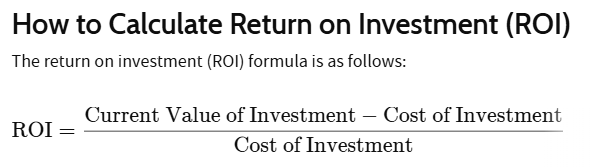
NOI - Net Operating Come
Net operating income (NOI) used to evaluate the income-generating potential of a real estate investment by calculating revenue minus operating expenses, excluding taxes and interest, in others the NOI measures the property's profitability excluding taxes and financing.
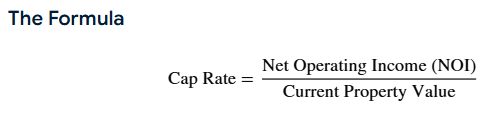
Cap Rate - The Return
Capitalization rate (or Cap Rate for short) refers to the rate of return on a property based on the net operating income (NOI) that the property generates. The Cap Rate is a return metric that is used to determine the potential return on investment or payback of capital.
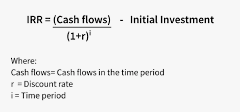
IRR - Internal Rate of Return
IRR, or internal rate of return indicates the annualized rate of return a project or investment is expected to generate. A higher IRR signals more attractive investment. An excellent metric for investors to use in ranking and comparing deals.

